
The healthcare sector continues its rapid evolution, driven by a confluence of technological advancement, shifting patient expectations, and persistent operational pressures. Digital transformation is no longer a strategic option but a fundamental requirement for delivering efficient, secure, and patient-centric care. Organizations that embraced cloud infrastructure, interoperable data systems, and carefully integrated AI tools over the past two years are now seeing tangible benefits in areas like diagnostic accuracy, administrative efficiency, and patient engagement.
However, many institutions still grapple with legacy systems, data silos, and the complexities of regulatory compliance. The imperative to modernize is urgent, especially as the demand for personalized medicine and remote care expands. The coming years will further delineate the gap between organizations that proactively invest in robust, care-grade digital infrastructure and those that struggle to keep pace with an increasingly digital patient journey.
AI-Powered Clinical Support Systems Become Mainstream
Augmenting diagnostics and treatment planning with intelligent tools
Generative AI and machine learning models are moving beyond pilot programs and into daily clinical workflows. Tools like Google Health's Med-PaLM 2 are integrated into radiology interpretation platforms, providing real-time secondary analysis of medical images to flag potential anomalies for radiologists. Similarly, large language models are assisting in the synthesis of patient records, summarizing complex histories, and suggesting differential diagnoses based on vast medical literature. This isn't about replacing clinicians, but about augmenting their cognitive load and improving diagnostic speed and accuracy.
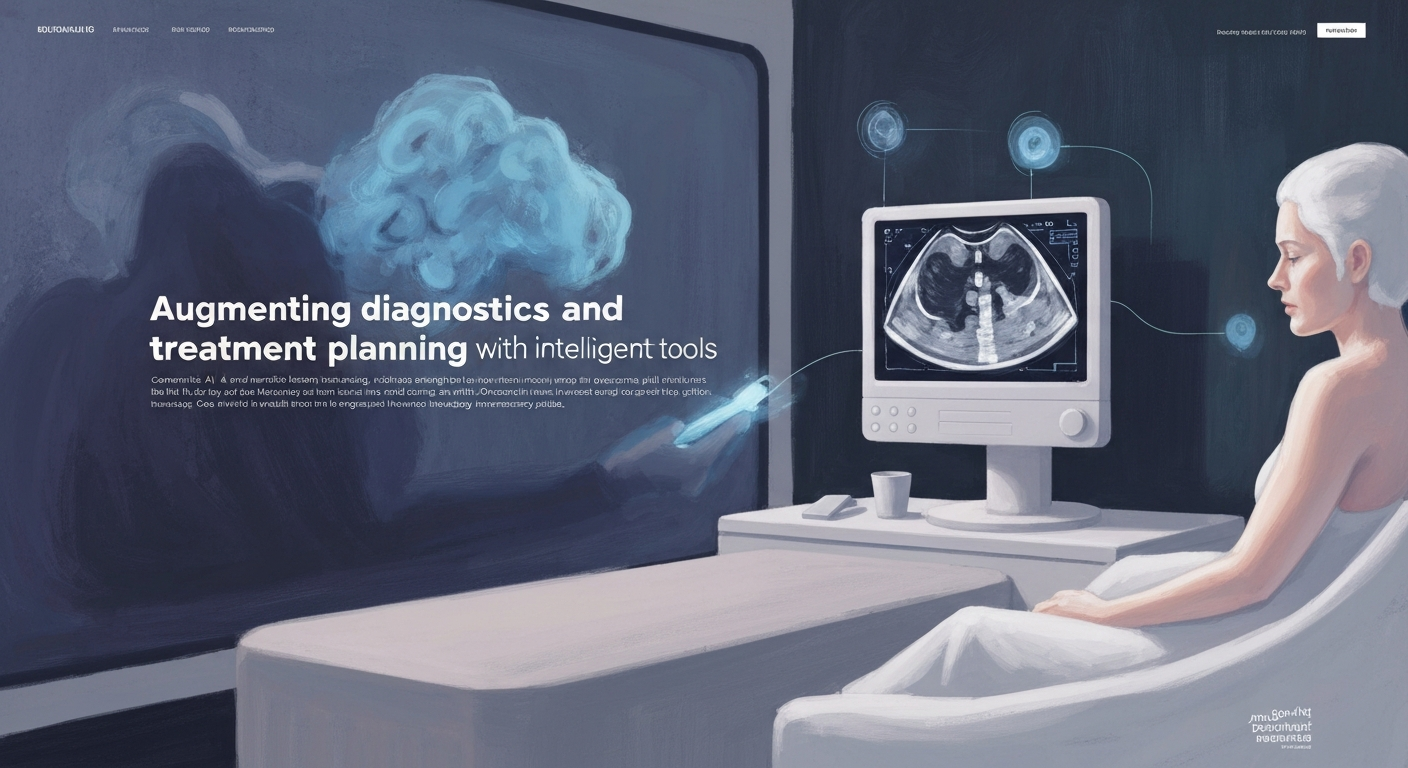
The adoption is driven by a clear value proposition: reducing diagnostic errors, accelerating analysis of complex data sets, and freeing up clinician time for direct patient interaction. For example, a system trained on millions of anonymized EHRs can identify subtle patterns indicative of early-stage conditions that might be missed by human review alone. Regulatory bodies, including the FDA, are establishing clearer pathways for the approval of AI as Medical Device (AI/MD) software, providing a framework for safe and effective deployment. We are seeing major EHR vendors like Epic and Cerner actively integrating these capabilities directly into their platforms, making them more accessible to clinicians.
What to do this quarter: Evaluate existing clinical workflows for areas where AI-driven summarization, anomaly detection, or predictive analytics could provide immediate value. Start with low-risk applications, such as administrative burden reduction or pre-screening tools, and work with vendors offering validated, secure integrations into your current EHR system.
Hyper-Personalization of Patient Engagement
Moving beyond generic portals to tailored, proactive digital experiences
Patient portals and telehealth platforms have become standard, but the next phase involves highly personalized digital engagement strategies. This means leveraging patient data – including demographics, medical history, preferences, and even wearable device data – to deliver custom content, reminders, and care pathways. For instance, a patient with Type 2 diabetes might receive proactive, AI-driven nutritional advice, exercise recommendations, and medication adherence reminders tailored specifically to their glucose readings and lifestyle, rather than generic health tips.
This shift is fueled by patient demand for consumer-grade digital experiences and the proven efficacy of personalized interventions in improving health outcomes and adherence. Companies like Twilio and Salesforce Health Cloud are providing foundational platforms for building these dynamic engagement layers, allowing healthcare providers to segment patient populations and automate highly specific outreach. The focus is on moving from reactive care to proactive health management, fostering a stronger partnership between patient and provider through continuous, relevant digital interaction.
What to do this quarter: Audit your current patient engagement platforms. Identify opportunities to integrate data from wearables, patient-reported outcomes, and EHRs to create more granular patient segments. Explore CRM tools designed for healthcare that can automate personalized messaging and provide actionable insights into patient engagement patterns.
Secure Interoperability as a Foundational Layer
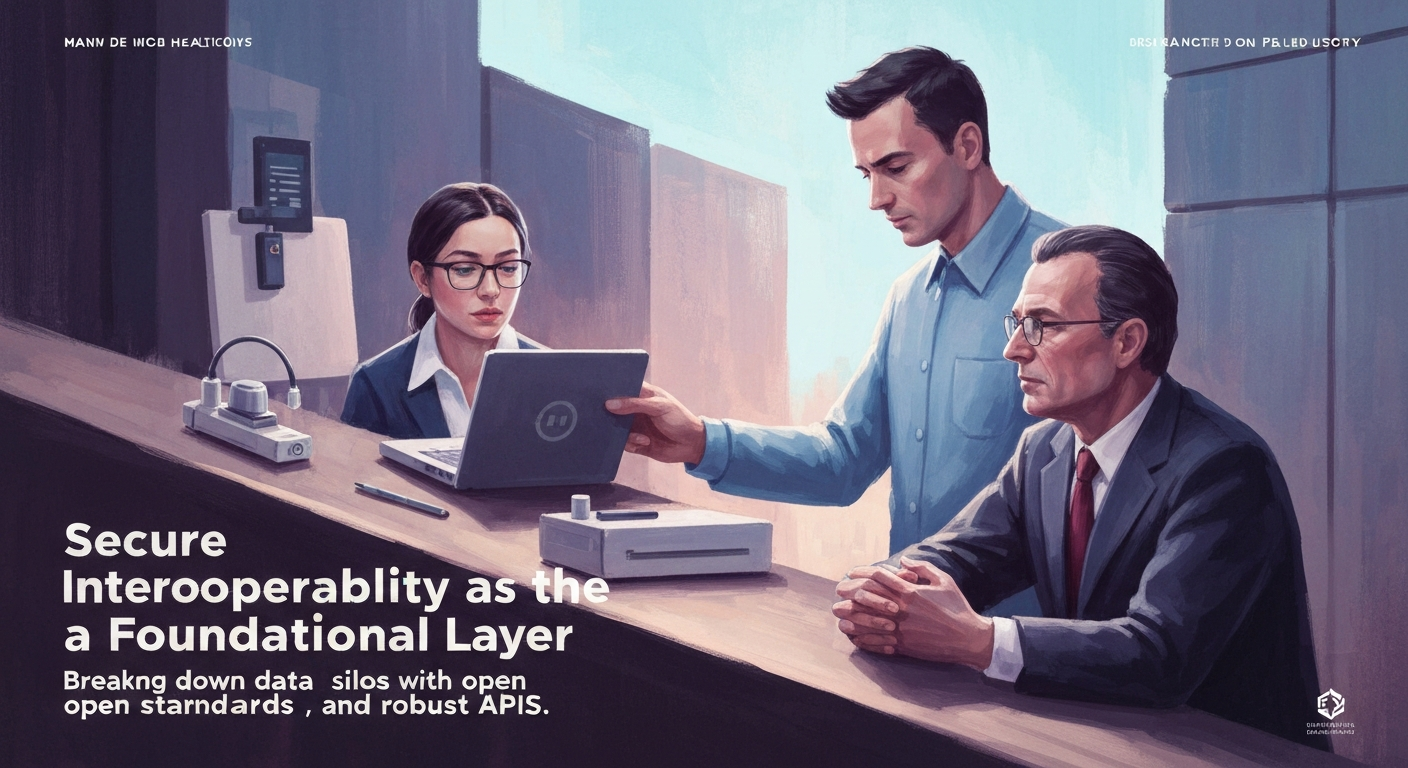
Breaking down data silos with open standards and robust APIs
The promise of connected healthcare has long been hampered by fragmented data and proprietary systems. However, regulatory pushes and technological maturity are making secure interoperability a non-negotiable standard. The widespread adoption of HL7 FHIR (Fast Healthcare Interoperability Resources) is a key enabler, providing a standardized, modern API-based approach to exchanging healthcare information. This allows different systems – from EHRs to lab systems to specialized clinical applications – to communicate seamlessly and securely.
This trend is critical for delivering integrated care, supporting population health initiatives, and enabling advanced analytics. Providers can access a more complete view of a patient's health journey, regardless of where care was received. For example, a patient admitted to an emergency department can have their full medication history and recent lab results pulled from their primary care physician's EHR within minutes, improving safety and efficiency. Government initiatives, such as those driven by ONC in the US, continue to mandate and incentivize data sharing, pushing the industry towards a truly connected ecosystem.
What to do this quarter: Prioritize projects focused on FHIR adoption and API development. Assess your current data integration strategy and identify critical data silos. Engage with EHR vendors to understand their FHIR roadmap and explore third-party integration platforms that can normalize and secure data exchange across disparate systems, ensuring HIPAA and PHIPA compliance.
The Rise of "Hospital at Home" and Remote Patient Monitoring (RPM)
Delivering acute and chronic care outside traditional clinical settings
The "hospital at home" model, which provides acute-level care in a patient's residence, is gaining significant traction, particularly after demonstrating its effectiveness during the pandemic. This involves a combination of telehealth, in-home visits by nurses and paramedics, and sophisticated remote patient monitoring (RPM) devices. For chronic conditions, RPM allows continuous tracking of vital signs, glucose levels, and other physiological parameters, enabling early intervention and reducing re-hospitalizations.

This trend is driven by several factors: cost reduction compared to inpatient stays, improved patient experience, and the ability to manage chronic conditions more effectively. Technology vendors like BioIntelliSense (BioButton) and Current Health (now part of Best Buy Health) offer comprehensive RPM solutions that collect, transmit, and analyze patient data in real-time, alerting care teams to deviations. Insurers and government payers are increasingly providing reimbursement for these services, recognizing their value in improving outcomes and reducing overall healthcare expenditures.
What to do this quarter: Pilot a "hospital at home" or RPM program for a specific patient population, such as post-surgical recovery or congestive heart failure patients. Evaluate vendor solutions that offer robust device integration, secure data transmission, and seamless integration with your existing EHR and care coordination platforms. Focus on establishing clear protocols for data interpretation and clinician response.
Cybersecurity Resilience as a Top Clinical Priority
Protecting patient data and care delivery from sophisticated cyber threats
Cybersecurity in healthcare has evolved beyond IT hygiene to become a critical clinical and operational imperative. Ransomware attacks, data breaches, and phishing attempts directly threaten patient safety by disrupting access to EHRs, medical devices, and critical care systems. The average cost of a healthcare data breach continues to rise, exceeding $10 million in 2025, underscoring the severe financial and reputational consequences.
The focus is shifting from reactive defense to proactive cyber resilience. This involves comprehensive strategies including advanced threat detection (e.g., AI-driven anomaly detection), robust incident response plans, frequent penetration testing, and continuous security awareness training for all staff. Regulatory bodies are also tightening requirements; for instance, proposed updates to HIPAA security rules emphasize continuous monitoring and rapid reporting. Organizations are investing in specialized healthcare cybersecurity platforms that understand the unique vulnerabilities of medical devices and clinical workflows.
What to do this quarter: Conduct a thorough cybersecurity risk assessment, focusing on clinical systems and patient data pathways. Implement multi-factor authentication across all critical systems and enforce regular security awareness training tailored to healthcare-specific threats. Develop and test an incident response plan that includes communication protocols for patients and regulatory bodies, minimizing disruption to patient care during a breach.
How Hostreck thinks about this
The core challenge in modern healthcare technology is delivering robust, secure, and intuitive solutions that seamlessly integrate into complex clinical environments. We prioritize building care-grade software that not only meets stringent regulatory standards like HIPAA and PHIPA but also enhances the speed and quality of patient care. Our focus is on creating platforms that connect disparate data sources, empower clinicians, and engage patients, all while maintaining an unwavering commitment to data security and system reliability.